


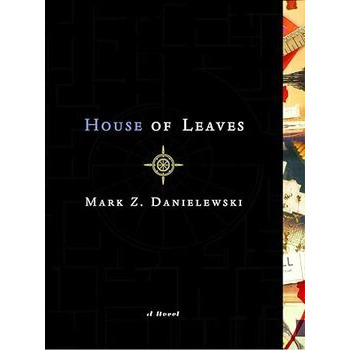
House of Leaves
House of Leaves by Mark Z. Danielewski is a complex and innovative novel that blends horror, mystery, and literary experimentation. The story centers on a documentary filmmaker named Will Navidson, who moves into a house that is seemingly bigger on the inside than the outside. As Navidson explores the house, he uncovers a labyrinth of endless, shifting corridors that defy the laws of physics. The narrative is presented as a manuscript written by a character named Johnny Truant, who becomes obsessed with the documentary and begins to unravel the unsettling mystery of the house. The book is known for its unconventional format, including footnotes, reversed text, and fragmented narratives, which reflect the characters’ psychological unraveling. House of Leaves is a mind-bending, immersive read that challenges traditional storytelling and explores themes of fear, obsession, and the nature of reality.
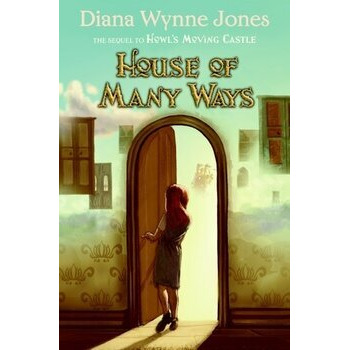
House of Many Ways
House of Many Ways by Diana Wynne Jones is a delightful fantasy novel that is part of the Chrestomanci series but can be read as a standalone. The story follows Charmain Baker, a young girl who is sent to look after her uncle, William, who is mysteriously ill. Upon arriving at his house, she discovers that it is a magical, ever-shifting abode with rooms that seem to change and doors that lead to unexpected places. Charmain, along with a dog named Tip and an eccentric magician, must navigate this strange house while uncovering secrets and solving magical mysteries. As the story unfolds, Charmain is drawn into an adventure involving enchanted objects, dangerous magic, and a looming threat. With Jones’ signature wit, charm, and imaginative world-building, House of Many Ways is an enchanting tale filled with humor, surprises, and memorable characters, perfect for readers who enjoy magical adventures and quirky, lovable protagonists.

How Finance Works
How Finance Works by Mihir Desai is a comprehensive guide that explains the fundamental concepts and principles of finance in an accessible and engaging way. The book covers essential topics such as risk, return, capital markets, corporate finance, financial instruments, and valuation. Desai uses real-world examples and clear explanations to demystify complex financial ideas, making the book suitable for both students and professionals looking to understand finance without a heavy academic background. The author also emphasizes the importance of finance in the context of broader societal issues and decision-making. How Finance Works provides a solid foundation in financial concepts, making it an invaluable resource for anyone looking to gain a deeper understanding of the subject.
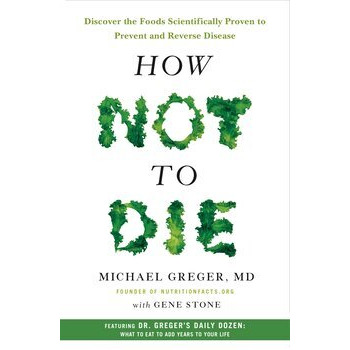
How Not to Die
How Not to Die by Michael Greger is a groundbreaking health book that focuses on the role of diet in preventing and reversing chronic diseases. Dr. Greger, a physician and nutrition expert, examines the top causes of premature death, including heart disease, diabetes, and cancer, and provides evidence-based recommendations on how to mitigate these risks through dietary changes. Each chapter is dedicated to a specific health condition, offering insights into the latest scientific research and practical advice on incorporating plant-based foods into daily life. Greger emphasizes the importance of whole, unprocessed foods and advocates for a lifestyle centered around nutrition. With a mix of compelling research, personal anecdotes, and actionable tips, How Not to Die serves as both a guide to healthier living and a call to action for readers to take control of their health through informed dietary choices.
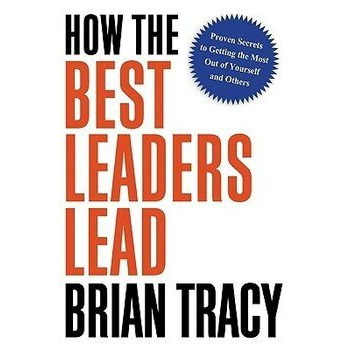
How the Best Leaders Lead
How the Best Leaders Lead by Brian Tracy is a guidebook that explores the key qualities and behaviors of effective leaders. Drawing from decades of experience, Tracy outlines the principles that top leaders use to inspire and motivate their teams. The book covers topics such as creating a vision, building trust, making tough decisions, and developing a leadership style that aligns with personal values. Tracy emphasizes the importance of continuous learning, strategic thinking, and maintaining a strong sense of purpose. The book provides actionable advice for anyone looking to enhance their leadership skills and create lasting impact in their organizations.
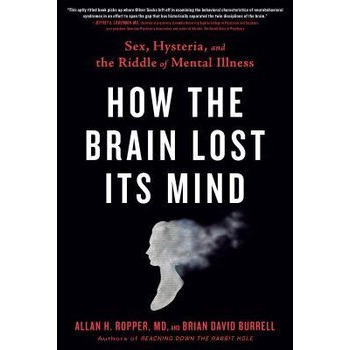
How the Brain Lost Its Mind
How the Brain Lost Its Mind by Allan H. Ropper and Brian David Burrell explores the intersection of neurology and psychiatry, tracing the historical struggle to distinguish mental illness from neurological disorders. Through fascinating case studies, including the impact of syphilis on the brain, the book examines how misconceptions about mental health evolved and how modern medicine continues to navigate the complexities of the mind.
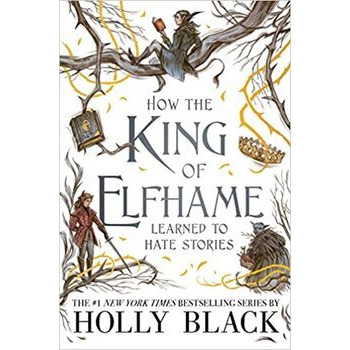
How the King of Elfhame Learned to Hate Stories
How the King of Elfhame Learned to Hate Stories by Holly Black is a captivating companion to her popular Folk of the Air series. This beautifully illustrated novella delves into the backstory of Cardan, the enigmatic and often misunderstood king of Elfhame. Through a series of enchanting and poignant tales, readers explore Cardan's childhood, his complex relationships, and the events that shaped his character and outlook on stories and storytelling. The narrative intertwines themes of power, vulnerability, and the impact of narrative on identity, revealing how Cardan’s experiences inform his actions in the main series. With Black's signature lyrical prose and intricate world-building, this novella offers a rich and emotional glimpse into one of fantasy's most intriguing characters.
How The Mighty Fall
"How the Mighty Fall: And Why Some Companies Never Give In" by Jim Collins explores the decline of once-successful companies and identifies key patterns that lead to their downfall. Collins outlines a framework of five stages of decline, from hubris born of success to irrelevance and ultimately, failure. Through extensive research, he illustrates how even the most powerful organizations can succumb to complacency, lack of discipline, and failure to adapt. The book serves as a cautionary tale and offers insights for leaders on how to recognize warning signs and cultivate resilience to prevent decline, making it essential reading for anyone interested in business strategy and leadership.
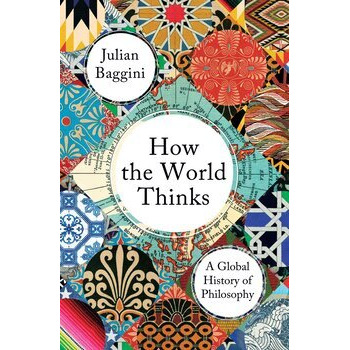
How the World Thinks
How the World Thinks by Julian Baggini is a fascinating exploration of global philosophy, examining how different cultures and traditions shape the way people think, reason, and understand the world. Baggini compares Western, Eastern, African, and Indigenous philosophies, highlighting their unique perspectives on topics such as identity, morality, knowledge, and the nature of truth. He challenges the dominance of Western thought and encourages readers to appreciate diverse ways of thinking, showing how philosophical traditions influence societies, politics, and everyday life. The book offers a thoughtful, accessible journey into comparative philosophy, helping readers broaden their understanding of the world.
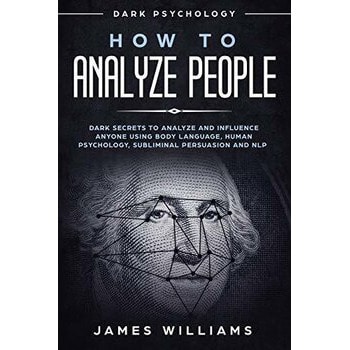
How to Analyze People
How to Analyze People by James W. Williams is a practical guide that teaches readers the skills of observation and psychological analysis to understand others better. The book delves into various aspects of human behavior, body language, and personality traits, providing insights into how to interpret cues that reveal people's thoughts, feelings, and intentions. Williams offers techniques for reading emotions and motivations, enhancing interpersonal communication and relationships. By combining psychological principles with real-life examples, the book empowers readers to become more perceptive and empathetic, ultimately improving their interactions in personal and professional settings. This resource is ideal for anyone interested in psychology, social dynamics, or enhancing their communication skills.
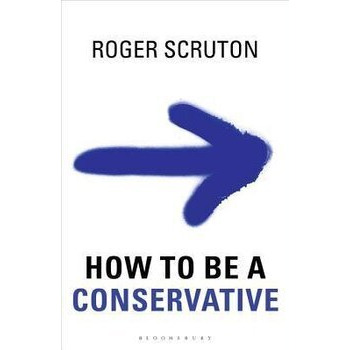
How to be a Conservative
How to Be a Conservative by Roger Scruton is a thoughtful exploration of conservative philosophy and its relevance in contemporary society. Scruton articulates the principles that underpin conservative thought, including the importance of tradition, personal responsibility, and the value of community. He critiques modern liberalism and examines the complexities of political identity, arguing for a return to the foundational ideas that have shaped Western civilization. The book engages with a range of topics, from culture and politics to morality and aesthetics, emphasizing the necessity of conserving what is valuable in society while adapting to change. Scruton's insightful analysis and eloquent writing make this work a compelling read for anyone interested in the nuances of political ideology and the conservative perspective.
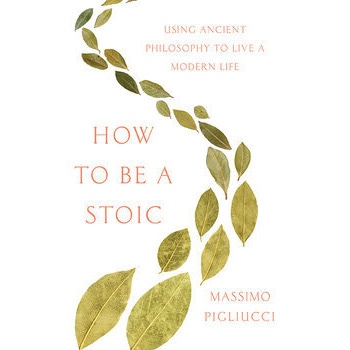
How to Be a Stoic
How to Be a Stoic by Massimo Pigliucci is a practical guide to applying the ancient philosophy of Stoicism to modern life. Drawing on the teachings of Stoic philosophers like Epictetus, Seneca, and Marcus Aurelius, Pigliucci shows how Stoicism can help individuals cultivate resilience, emotional control, and virtue in the face of life’s challenges. The book explores core Stoic concepts such as focusing on what’s within our control, accepting what we cannot change, and living by nature. Through personal reflections and practical exercises, How to Be a Stoic offers readers valuable tools for leading a more meaningful, tranquil, and purposeful life.