


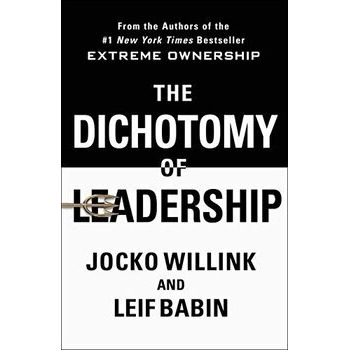
The Dichotomy of Leadership
The Dichotomy of Leadership by Jocko Willink is a leadership book that explores the balance required to be an effective leader. Written by Willink, a former Navy SEAL, and Leif Babin, his fellow SEAL teammate, the book presents leadership lessons drawn from their experiences in combat and business. The authors argue that great leaders must navigate a series of dichotomies, such as being both decisive and open to feedback, maintaining discipline while being empathetic, and leading with authority while giving their team autonomy. Through real-life examples and practical advice, The Dichotomy of Leadership emphasizes the importance of finding balance in decision-making and leadership approach, offering valuable insights for leaders in any field.
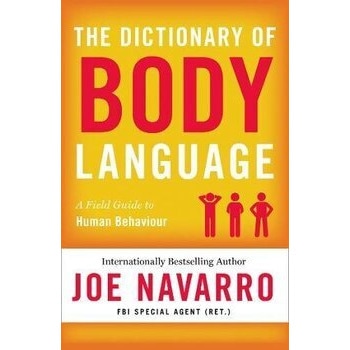
The Dictionary of Body Language
The Dictionary of Body Language by Joe Navarro is a comprehensive guide that explores the subtle yet powerful signals conveyed through body language. Written by a former FBI counterintelligence officer, the book breaks down the meaning behind various nonverbal cues, such as gestures, facial expressions, and posture. Navarro offers practical insights into how these physical signals can reveal emotions, intentions, and truths, helping readers to better understand and interpret the behavior of those around them. It's a valuable resource for anyone seeking to improve their communication skills and become more attuned to the unspoken dynamics in interactions.
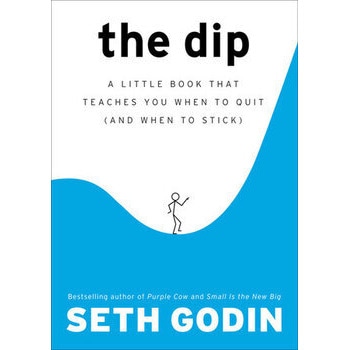
The Dip
The Dip by Seth Godin is a motivational and business-oriented book that explores the concept of when to quit and when to push through challenges. Godin introduces the idea of "the dip," a temporary setback or difficult period that many encounter when pursuing a goal. He argues that successful individuals and organizations know when to persevere through the dip and when to strategically quit to focus on more promising endeavors. The book encourages readers to recognize the difference between temporary difficulties and insurmountable barriers and emphasizes the importance of mastering the art of quitting to achieve greater success. The Dip is a quick, insightful read that challenges conventional ideas about perseverance and helps readers make smarter, more informed decisions about their goals.
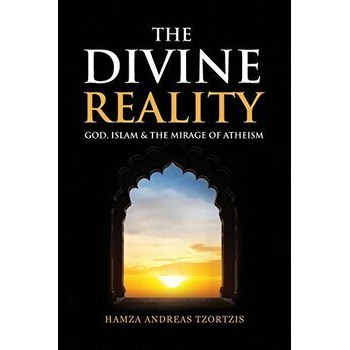
The Divine Reality
The Divine Reality by Hamza Andreas Tzortzis is a thought-provoking exploration of the existence of God from an Islamic philosophical perspective. The book presents compelling arguments for the existence of a Creator, drawing on science, logic, and theology. Tzortzis addresses key questions about the nature of reality, the purpose of life, and the role of faith in understanding the world. With a focus on rational thought and evidence-based reasoning, The Divine Reality aims to engage both believers and skeptics in a deeper conversation about the existence of God and the meaning of life. The book seeks to provide a modern, intellectual framework for understanding the divine and encourages readers to reflect on their beliefs.

The Do-Over
The Do-Over by Lynn Painter is a charming and heartwarming young adult romantic comedy. The story follows 17-year-old Emily, who, after a series of awkward and embarrassing events, wakes up one day to discover that she is living the same day over again—allowing her to change her mistakes and make things right. As Emily navigates her way through this "do-over" and tries to rewrite her story, she learns valuable lessons about love, self-acceptance, and the importance of living authentically. With humor, relatable characters, and a touch of romance, The Do-Over is a delightful exploration of second chances and the impact of our choices.

The Drop That Became the Sea
The Drop That Became the Sea by Yunus Emre is a collection of spiritual poetry by the Turkish Sufi mystic and poet, Yunus Emre. Known for his profound expressions of love, devotion, and the search for divine truth, Emre’s poetry reflects deep philosophical and spiritual insights. The title poem, like many others in the collection, explores the idea of an individual’s journey toward unity with the divine—symbolized by a drop merging into the vastness of the sea. Emre’s work conveys themes of selflessness, transcendence, and the longing for connection with a higher power, offering timeless wisdom that resonates with readers seeking spiritual enlightenment. The book captures the beauty and depth of his poetic meditations, which have inspired generations of readers.

The Easy Way to Stop Smoking
The Easy Way to Stop Smoking by Allen Carr is a renowned self-help book that provides a unique and effective method for quitting smoking. Instead of relying on willpower, Carr challenges the myths about smoking, removes the psychological dependence, and helps smokers break free from nicotine addiction without cravings or withdrawal. His straightforward approach has helped millions quit smoking permanently.
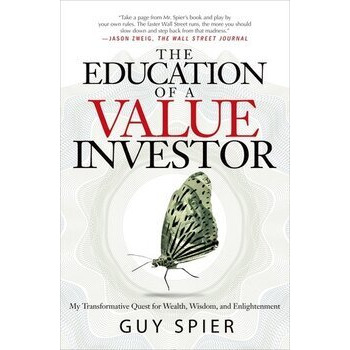
The Education of a Value Investor
The Education of a Value Investor by Guy Spier is a memoir and investment guide that shares the author’s journey toward becoming a successful value investor. Spier, a protege of Warren Buffett, recounts how he transitioned from a traditional, high-pressure career in finance to adopting a more thoughtful, long-term approach to investing. The book blends personal anecdotes with practical lessons on investing, focusing on the importance of emotional discipline, ethical decision-making, and intellectual humility. Through his transformation, Spier emphasizes the value of understanding yourself as an investor, building a strong mental framework, and being patient in your pursuit of financial success. It's both a personal story and a philosophical exploration of what it means to invest wisely and with integrity.
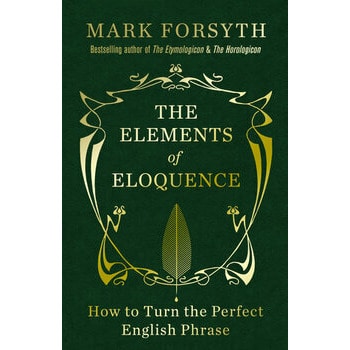
The Elements of Eloquence
The Elements of Eloquence by Mark Forsyth is a witty and insightful exploration of the art of rhetoric and the techniques that make language compelling and persuasive. In this engaging book, Forsyth breaks down various rhetorical devices—such as alliteration, anaphora, and antithesis—using examples from literature, speeches, and everyday conversation. With a sharp sense of humor and a conversational style, he illustrates how these techniques can enhance communication and impact. The book not only serves as a guide for writers and speakers looking to refine their skills but also offers a deeper appreciation for the power of language in shaping thought and emotion. Forsyth’s analysis makes rhetoric accessible and enjoyable, appealing to anyone interested in the nuances of effective communication.
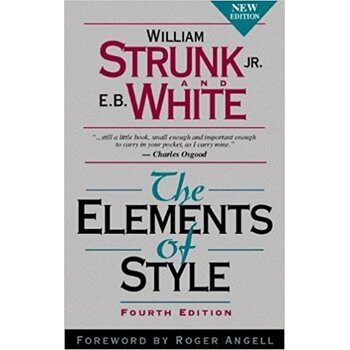
The Elements of Style
The Elements of Style by William Strunk Jr. is a classic writing guide that emphasizes clarity, conciseness, and correctness. First published in 1918, this concise manual provides fundamental principles of English style and grammar, making it an essential resource for writers, students, and anyone looking to improve their writing skills. Strunk and co-author E.B. White outline key rules for effective writing, including the importance of using the active voice, avoiding unnecessary words, and maintaining consistency in style. With its straightforward advice and practical examples, The Elements of Style remains a timeless reference for crafting clear and effective prose.
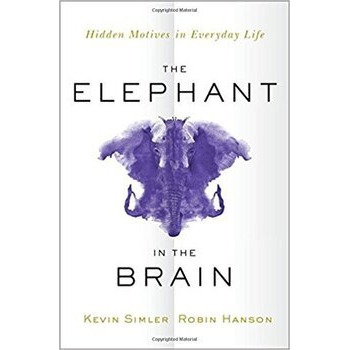
The Elephant in the Brain
The Elephant in the Brain by Kevin Simler and Robin Hanson explores the hidden motives behind human behavior, particularly the self-deception we engage in to justify our actions. The authors argue that much of what we do is driven by unconscious desires, such as social status, power, and approval, rather than the rational or altruistic reasons we often tell ourselves. By examining topics like politics, medicine, education, and religion, the book highlights how our minds hide these "elephants" from ourselves to avoid uncomfortable truths. It provides a thought-provoking look at human nature and the ways we rationalize our behavior, offering insights into how we might better understand ourselves and others.
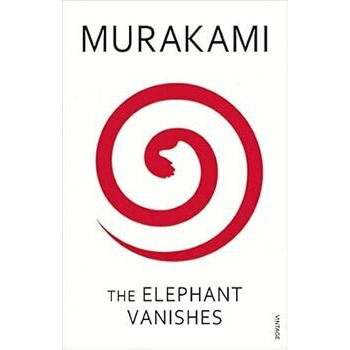
The Elephant Vanishes
The Elephant Vanishes by Haruki Murakami is a collection of short stories that blend the surreal and the every day, a hallmark of Murakami’s distinctive style. The stories explore themes of isolation, the passage of time, and the mysterious occurrences that can suddenly disrupt normal life. In the title story, an elephant mysteriously disappears from a zoo, and its absence becomes a symbol of the strange and inexplicable events that often enter our lives. Other stories in the collection delve into the absurdities of modern existence, often featuring protagonists who are confronted with unexpected or surreal situations that challenge their understanding of reality. With his signature mix of the mundane and the extraordinary, The Elephant Vanishes offers readers a glimpse into Murakami's world of magical realism and philosophical musings.