



The Bronze Key
The Bronze Key by Holly Black is the third book in The Magisterium series, co-written with Cassandra Clare. The story continues to follow Callum Hunt (Call) and his friends, who are training at the magical school of Magisterium. In this installment, Call and his friends face new challenges as they uncover darker secrets about their world and their powers. The book delves into themes of loyalty, friendship, and self-discovery, as Call struggles with the legacy of his past and his role in a larger, unfolding conflict. As the characters grow and confront new dangers, they must make difficult choices that will impact their futures and the fate of the magical world. The Bronze Key is filled with magic, mystery, and adventure, keeping readers engaged in the series' exciting twists and turns.
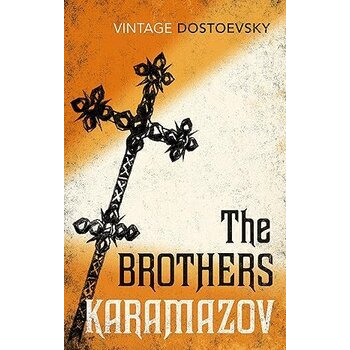
The Brothers Karamazov
The Brothers Karamazov by Fyodor Dostoevsky is a philosophical novel that delves into the moral and spiritual struggles of three brothers—Dmitri, Ivan, and Alexei—each representing different aspects of human nature. Their father, Fyodor Pavlovich Karamazov, is a hedonistic and immoral figure whose murder becomes the central mystery. The novel explores themes of faith, free will, guilt, and the existence of God, as the brothers confront deep existential questions and personal conflicts. Through rich character development and intricate philosophical discourse, The Brothers Karamazov examines the complexities of the human soul and is considered one of Dostoevsky’s greatest works.

The Business Case for AI
The Business Case for AI by Kavita Ganesan is a practical guide that helps businesses understand the value and potential of integrating artificial intelligence (AI) into their operations. The book outlines how AI can drive growth, improve efficiency, and provide a competitive edge across various industries. Ganesan explains the key AI technologies, their applications, and the steps involved in building a solid business case for AI adoption. By offering real-world examples, strategies, and actionable insights, the book assists business leaders in assessing AI’s potential impact and creating a roadmap for successful implementation. It's an essential resource for anyone looking to leverage AI for business transformation and innovation.
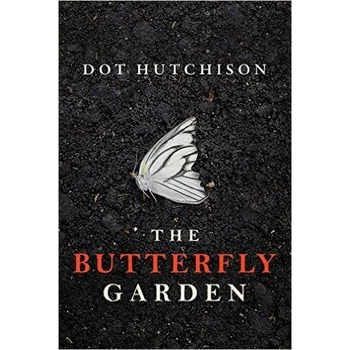
The Butterfly Garden
The Butterfly Garden by Dot Hutchison is a psychological thriller that follows the disturbing story of a group of young women who are kept captive in a garden by a sadistic man known as the Gardener. The women are treated like "butterflies," with their beauty preserved in a twisted, macabre way. The story is told through the perspective of one of the survivors, Maya, as she recounts her harrowing experiences in captivity and her eventual escape. The novel delves into themes of trauma, survival, and the psychological effects of abuse, offering a chilling and suspenseful narrative that explores the darker side of human nature. It is a gripping and intense read for fans of dark thrillers.
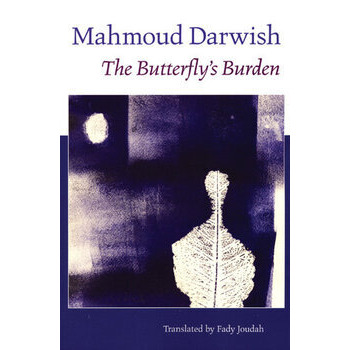
The Butterfly’s Burden
The Butterfly's Burden by Mahmoud Darwish is a powerful poetry collection that explores themes of exile, identity, love, and resistance. With lyrical beauty and emotional depth, Darwish reflects on the Palestinian experience, personal longing, and the search for meaning in a world marked by displacement and struggle. His verses blend sorrow and hope, capturing the delicate balance between pain and resilience.
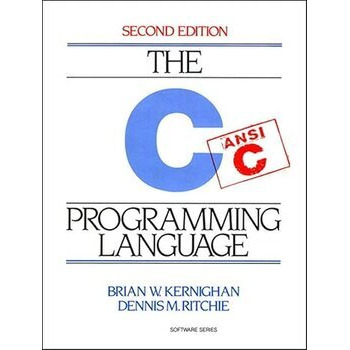
The C Programming Language
The C Programming Language by Dennis Ritchie, co-authored with Brian Kernighan, is the definitive guide to the C programming language, widely regarded as one of the most influential books in the field of computer science. First published in 1978, it introduces the fundamental concepts of C, a powerful and efficient language that became the foundation for many modern programming languages. The book covers the syntax and features of C, including data types, control structures, functions, pointers, and memory management, with clear examples and exercises to reinforce learning. Known for its concise and precise writing, The C Programming Language is not only an essential resource for learning C but also a classic text that has shaped the development of software engineering.

The Case Against Reality
The Case Against Reality by Donald D. Hoffman challenges our conventional understanding of perception and reality. Hoffman, a cognitive scientist, argues that the way we perceive the world is not an accurate reflection of objective reality, but rather a mental construction shaped by evolution to help us survive. He suggests that our senses are not designed to reveal the true nature of the world but to guide our actions in ways that promote survival and reproduction. Drawing from neuroscience, psychology, and evolutionary theory, the book explores the idea that reality might be very different from what we experience, proposing a radical rethinking of how we understand consciousness and the universe.

The Case of the Bizarre Bouquets
The Case of the Bizarre Bouquets by Nancy Springer is the seventh book in the Enola Holmes Mysteries series, following the adventures of Enola, the young sister of the famous Sherlock Holmes. In this installment, Enola is drawn into a mystery involving strange bouquets that seem to be connected to a series of puzzling events. As she uncovers clues, Enola must navigate dangerous situations and outwit those who wish to harm her. With her sharp intellect and resourcefulness, she works to solve the case, all while evading the relentless pursuit of her brother, Sherlock. The book combines intrigue, adventure, and the charm of Enola’s independent spirit in a delightful mystery for young readers and fans of detective stories.
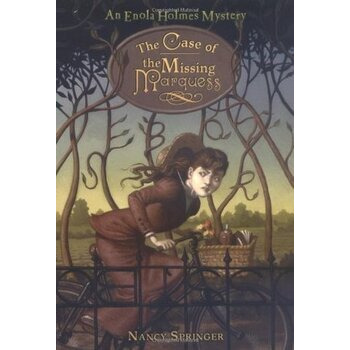
The Case of the Missing Marquess
The Case of the Missing Marquess by Nancy Springer is the first book in the Enola Holmes mystery series, centered around the younger sister of the famous detective Sherlock Holmes. Enola, a brilliant and resourceful teenager, is tasked with solving the case of the missing Marquess, who has disappeared under mysterious circumstances. As she investigates, Enola uses her sharp intellect and disguises to navigate the challenges of Victorian society and evade her older brothers, Sherlock and Mycroft, who are determined to control her life. This fast-paced, engaging story combines mystery, adventure, and themes of independence, making it a delightful read for fans of detective stories.
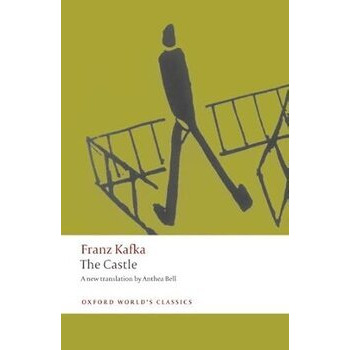
The Castle
The Castle by Franz Kafka is a surreal, existential novel that follows the protagonist, K., a land surveyor who arrives in a remote village seeking to gain access to the mysterious Castle that governs the area. However, his attempts to make contact with the Castle's authorities are thwarted by bureaucracy, confusion, and a sense of alienation. The novel explores themes of isolation, the absurdity of systems of power, and the struggle for meaning in an indifferent world. With its dreamlike narrative and unresolved plot, The Castle delves into the human condition, questioning authority, control, and the individual's search for purpose. It remains one of Kafka's most famous works, emblematic of his characteristic blend of existential dread and dark humor.

The Cat Who Saved Books
The Cat Who Saved Books by Sōsuke Natsukawa is a heartwarming and whimsical novel about a high school student named Rintaro, who is struggling with his life and the future of his family’s bookstore. His life takes an unexpected turn when a mysterious cat named Tiger appears and asks for his help in saving books from being discarded or destroyed. Together, they embark on a journey through a magical world where books and their stories play a vital role in shaping lives. The novel explores themes of literature, self-discovery, and the transformative power of stories, offering readers a charming and thought-provoking adventure. The Cat Who Saved Books is a celebration of the love for books and the importance of preserving them for future generations.
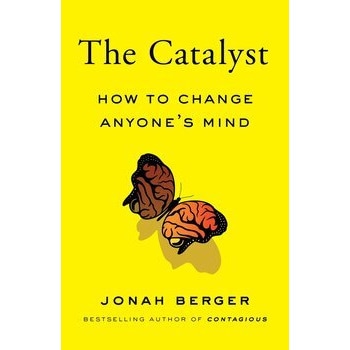
The Catalyst
The Catalyst by Jonah Berger explores the science of persuasion and how to create change without force or pressure. Instead of pushing people to change, Berger reveals how to remove barriers that prevent change from happening naturally. Using real-world examples and psychological insights, this book provides practical strategies for influencing decisions in business, leadership, and everyday life.