



The 33 Strategies of War
The 33 Strategies of War by Robert Greene is a strategic guide that applies military principles to personal and professional challenges. Drawing from historical battles and the tactics of renowned military leaders, Greene outlines 33 strategies designed to help readers navigate conflicts and achieve their goals. The book is divided into five sections, each focusing on different aspects of strategy, including self-directed warfare, organizational tactics, and the dynamics of confrontation. Greene’s writing combines historical anecdotes with practical advice, emphasizing the psychological aspects of strategy and the importance of adaptability. This work serves as both a manual for strategic thinking and a philosophical exploration of conflict, making it a valuable resource for anyone looking to gain an edge in competitive situations.
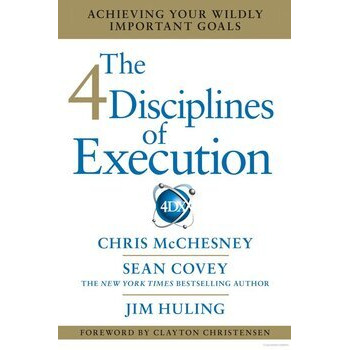
The 4 Disciplines of Execution
The 4 Disciplines of Execution by Chris McChesney provides a practical framework for organizations to successfully execute their most important goals. The book outlines four essential principles: focus on the most critical goals, act on lead measures that drive results, keep a compelling scoreboard to track progress, and create a cadence of accountability with regular check-ins. By following these disciplines, businesses can overcome execution challenges, stay aligned with strategic priorities, and achieve meaningful results. It's an invaluable guide for leaders looking to improve their team's performance and turn goals into tangible outcomes.
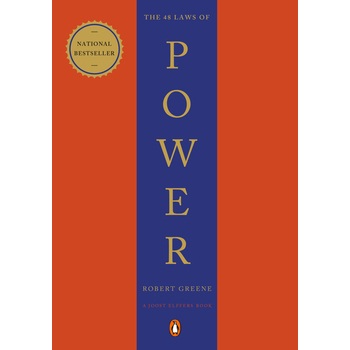
The 48 Laws of Power
The 48 Laws of Power by Robert Greene is a strategic guide that distills 3,000 years of history into 48 essential laws designed to help readers understand, acquire, and defend against the use of power. Drawing from the lives of powerful figures like Machiavelli, Sun Tzu, and various rulers, Greene presents each law with historical examples, offering insight into human behavior and manipulation. Whether you're navigating politics, business, or personal relationships, this book provides a controversial yet widely influential roadmap for mastering influence and control.

The 5 AM Club
The 5 AM Club by Robin S. Sharma is a self-help and personal development book that encourages readers to wake up early and embrace a productive morning routine to achieve success and fulfillment. The story is told through the lives of a struggling artist, an entrepreneur, and a mentor who introduces them to the concept of the 5 AM Club. Sharma emphasizes the power of early mornings for self-improvement, focusing on a morning routine that includes exercise, reflection, and learning. The book blends motivational storytelling with practical advice, advocating the idea that starting the day early can lead to enhanced productivity, better health, and personal growth.
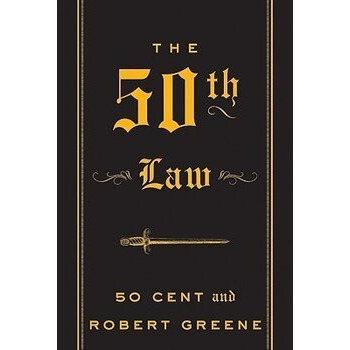
The 50th Law
The 50th Law by 50 Cent and Robert Greene is a powerful guide to overcoming fear and embracing fearless living to achieve success. Blending 50 Cent’s real-life experiences with historical lessons, the book emphasizes self-reliance, adaptability, and boldness as key traits for thriving in a competitive world. Through engaging storytelling and practical insights, it teaches readers how to harness adversity, take calculated risks, and cultivate an unstoppable mindset to master their own destiny.
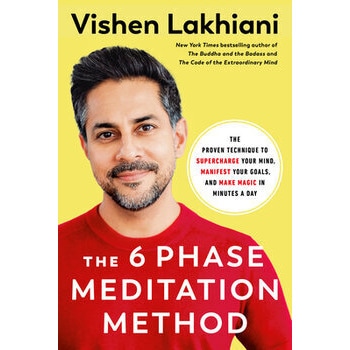
The 6 Phase Meditation Method
The 6 Phase Meditation Method by Vishen Lakhiani introduces a structured approach to meditation that combines mindfulness with personal growth practices. In this book, Lakhiani outlines his six-phase process designed to enhance emotional well-being, foster creativity, and promote clarity of purpose. The phases include gratitude, forgiveness, envisioning the future, and more, each aimed at helping individuals cultivate a positive mindset and align their lives with their goals. Lakhiani draws on insights from various spiritual traditions and personal development techniques, making meditation accessible and practical for readers of all backgrounds. This method serves as a powerful tool for anyone looking to improve their mental and emotional health while achieving personal and professional aspirations.
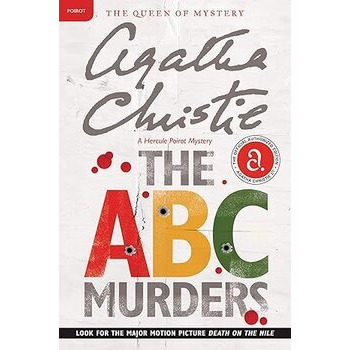
The A.B.C. Murders
The A.B.C. Murders by Agatha Christie is a classic Hercule Poirot mystery where the brilliant Belgian detective is called to investigate a series of murders that follow a chilling pattern. The killer leaves behind a cryptic clue at each crime scene—a letter of the alphabet corresponding to the victim's name (e.g., Alice Ascher, who is murdered first). As the bodies pile up, Poirot must use his signature methods of deduction to uncover the identity of the murderer, who seems to be following an alphabetic sequence. The novel combines suspense, intrigue, and Christie's trademark clever plot twists, leading to an unexpected and satisfying conclusion. It is a gripping tale of psychological manipulation, pattern recognition, and the intricacies of human behavior.

The Absent Father Effect on Daughters
The Absent Father Effect on Daughters by Susan E. Schwartz explores the psychological and emotional impact of growing up without a father or with an emotionally unavailable father. Schwartz delves into how a father's absence can affect a daughter's self-esteem, relationships, and overall emotional development. The book examines various aspects of this dynamic, including how it influences a daughter’s sense of worth, her choice of partners, and her ability to form healthy, trusting relationships. Drawing on research and case studies, Schwartz offers insights and strategies for healing and personal growth, encouraging daughters to understand and overcome the effects of paternal absence. It’s a resource for those looking to explore and address these deep-rooted issues in their lives.

The Abundance Paradigm
The Abundance Paradigm by Joe Vitale is a self-help book focused on shifting one’s mindset to embrace abundance in all areas of life—whether it's wealth, health, relationships, or personal growth. Vitale presents the idea that abundance is not just about material possessions, but about cultivating a positive, expansive mindset that attracts opportunities and success. Drawing on the principles of the law of attraction, the book encourages readers to release limiting beliefs, tap into their inner power, and align their thoughts and actions with the abundance they desire. Through practical exercises and motivational insights, The Abundance Paradigm serves as a guide to creating a life of fulfillment and prosperity by reprogramming the mind for abundance.
The Adweek Copywriting Handbook
The Adweek Copywriting Handbook by Joseph Sugarman is a comprehensive guide for aspiring copywriters and marketers. Drawing from his extensive experience, Sugarman shares essential techniques for crafting compelling advertisements that capture attention and drive sales. The book covers key concepts such as understanding the target audience, creating persuasive headlines, and utilizing storytelling to engage readers. Filled with practical tips, examples, and insights, this handbook serves as both a reference and a source of inspiration for anyone looking to enhance their writing skills and succeed in the competitive field of advertising.

The Aether Witch
The Aether Witch by Chandelle LaVaun is an enchanting fantasy novel that follows the journey of a young witch navigating a world steeped in magic and intrigue. The protagonist, gifted with the rare ability to manipulate aether, must confront dark forces and political machinations that threaten her realm. As she uncovers secrets about her past and her powers, she embarks on a quest that tests her courage, loyalty, and understanding of love. LaVaun's lyrical writing and vivid world-building immerse readers in a captivating tale of adventure, self-discovery, and the complexities of wielding power.
The Age of Genius
The Age of Genius by A.C. Grayling is a historical exploration of the "Age of Genius" in the 17th and 18th centuries, a period marked by groundbreaking intellectual and scientific advancements. Grayling examines how thinkers like Galileo, Descartes, Newton, and Locke shaped modern philosophy, science, and the foundations of the Enlightenment. The book delves into the transformative ideas of the time and the broader cultural and social shifts that allowed these thinkers to challenge traditional beliefs and contribute to the development of the modern world. Grayling argues that this era was pivotal in shaping the intellectual landscape of the Western world, bringing reason, empiricism, and individualism to the forefront.