


The American Senate
*The American Senate* by Neil MacNeil is a comprehensive historical account of the United States Senate, offering an in-depth look at its evolution, role, and impact on American politics. The book traces the Senate’s origins, its development through different political eras, and its key functions in shaping U.S. governance. MacNeil explores the history of the Senate's power structure, the political dynamics within it, and its interaction with the presidency and the House of Representatives. The book also delves into the personalities of influential senators, landmark legislation, and pivotal moments in Senate history. Through its detailed analysis, *The American Senate* provides readers with a clear understanding of the Senate's critical role in American democracy, as well as the challenges and controversies that have shaped its identity over time. It's a valuable resource for those interested in American politics, history, and the workings of one of the country’s most important institutions.
The Anxious Hearts Guide
*The Anxious Hearts Guide* by Rikki Cloos is a self-help book designed to offer practical strategies and emotional support for those struggling with anxiety and overwhelming emotions. Drawing from personal experience and research, Cloos provides readers with a roadmap to understanding the root causes of anxiety, its effects on the body and mind, and how to manage it in daily life. The book offers a mix of mindfulness techniques, cognitive-behavioral exercises, and tips for self-care, helping readers take charge of their mental well-being. Cloos emphasizes self-compassion and resilience, encouraging those with anxious hearts to approach their challenges with patience and understanding. The guide also explores the importance of community and seeking professional help when needed. *The Anxious Hearts Guide* is both a comforting and practical resource for anyone seeking to manage anxiety and find inner peace in a fast-paced and often stressful world.
The Art of Happiness
*The Art of Happiness* by Epicurus is a philosophical work that presents the ancient Greek philosopher’s views on how to achieve a happy and fulfilling life. In contrast to the pursuit of wealth, power, or fame, Epicurus argues that true happiness comes from the cultivation of inner peace, self-contentment, and the enjoyment of simple pleasures. He emphasizes the importance of wisdom, friendship, and the absence of pain (both physical and mental) as key components of a happy existence. According to Epicurus, people often misunderstand happiness by chasing external desires, but true fulfillment lies in living modestly, managing desires, and focusing on the pleasures that come from intellectual and emotional well-being. The book offers a timeless guide to living a life of serenity and joy, encouraging readers to seek tranquility and avoid unnecessary stress or anxiety. Epicurus’s philosophy is often considered an early form of hedonism, but one that advocates for a balanced and thoughtful approach to pleasure rather than indulgence.

The Art of Living Alone and Loving It
*The Art of Living Alone and Loving It* by Jane Mathews is an empowering self-help book that celebrates the joys and benefits of living solo. Mathews offers a refreshing perspective on single life, challenging societal norms that often stigmatize living alone. Through practical advice and personal anecdotes, she encourages readers to embrace solitude as a path to self-discovery, independence, and personal growth. The book covers a wide range of topics, including managing loneliness, creating a fulfilling home environment, pursuing passions, and building a strong sense of self-worth. Mathews also addresses the emotional and psychological aspects of living alone, offering tips on cultivating confidence, maintaining a balanced social life, and enjoying one's own company. *The Art of Living Alone and Loving It* is a celebration of independence, offering reassurance and inspiration to those who live alone or are considering it, showing that solitude can be a rewarding and enriching experience rather than something to be feared.
The Art of Persuasion
*The Art of Persuasion* by Bob Burg is a guide to mastering the skills of persuasion and influence in both personal and professional settings. Drawing on principles of effective communication and human behavior, Burg outlines strategies for persuading others in a way that is ethical, respectful, and mutually beneficial. The book emphasizes the importance of listening, understanding the needs and desires of others, and building genuine relationships based on trust and rapport. Burg also discusses how to present ideas clearly, handle objections, and frame messages in a way that resonates with different audiences. *The Art of Persuasion* is a practical resource for anyone looking to improve their ability to persuade others, whether in sales, leadership, negotiations, or everyday interactions, while maintaining integrity and a focus on long-term success.
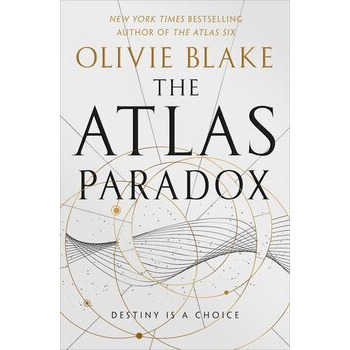
The Atlas Paradox
*The Atlas Paradox* by Olivie Blake is the highly anticipated sequel to *The Atlas Six*, continuing the story of six exceptionally gifted individuals who are vying for a place in a secretive society of scholars known as the Alexandrian Society. In *The Atlas Paradox*, the stakes are even higher as the characters grapple with the consequences of their actions and the complex relationships that bind them. Each of the six possesses unique magical abilities, but as they compete for power and influence, they must confront their own desires, fears, and moral dilemmas. The novel explores themes of ambition, trust, and the blurry line between right and wrong, all set against a backdrop of mystery, intrigue, and intellectual challenges. As the characters delve deeper into the secrets of the universe, they must face the paradoxes of their own existence and the dangerous choices they must make. *The Atlas Paradox* is a dark, intellectual fantasy that combines intricate world-building with philosophical questions, making it a compelling read for fans of complex, character-driven stories.
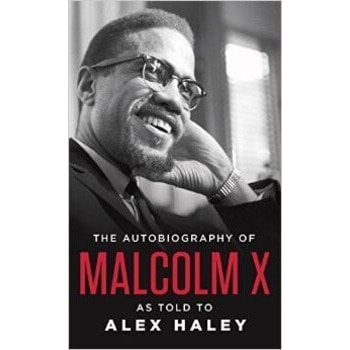
The Autobiography of Malcolm X
*The Autobiography of Malcolm X* is a powerful and transformative memoir that chronicles the life of one of the most influential and controversial figures in American history. Written by Malcolm X in collaboration with journalist Alex Haley, the autobiography spans Malcolm's journey from a troubled youth involved in crime to his profound transformation into a civil rights leader and advocate for Black empowerment. The book details his experiences in prison, his conversion to the Nation of Islam, and his later break from the organization, as well as his pilgrimage to Mecca and evolving views on race, religion, and humanity. Throughout, Malcolm X's life serves as a testament to personal growth, the pursuit of knowledge, and the fight against systemic racism and injustice. His journey of self-discovery, struggle, and redemption resonates deeply, making this autobiography not just a personal narrative but a significant historical document. *The Autobiography of Malcolm X* is widely regarded as a classic of American literature, offering profound insights into issues of race, identity, and the complexities of social change.
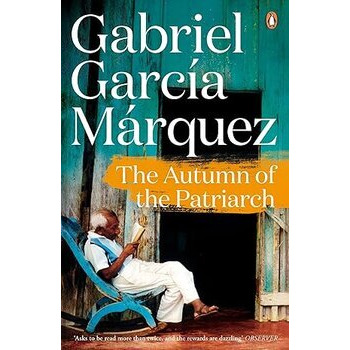
The Autumn of the Patriarch
*The Autumn of the Patriarch* by Gabriel García Márquez is a haunting and surreal novel that explores the life and decline of a Latin American dictator. Set in an unnamed Caribbean country, the story focuses on the aging and isolated patriarch who has ruled for decades with absolute power, instilling fear and corruption in the nation. The novel is told through a series of fragmented and cyclical narratives, reflecting the dictator's distorted perception of reality and his crumbling regime. García Márquez employs his signature style of magical realism, blending the fantastical with the political, to depict the corrupting nature of power, the decay of a once-vibrant society, and the brutal consequences of unchecked authority. The narrative delves deeply into themes of loneliness, the passage of time, and the absurdity of political systems built on oppression. *The Autumn of the Patriarch* is a darkly poetic and powerful critique of authoritarianism, showcasing García Márquez's masterful ability to intertwine personal and political history in a way that resonates universally.
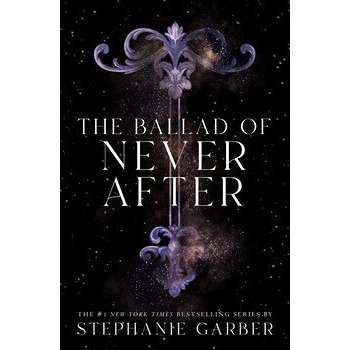
The Ballad of Never After
*The Ballad of Never After* by Stephanie Garber is the second book in *The Once Upon a Broken Heart* series, continuing the magical and suspenseful story of Evangeline Fox. Following the events of the first book, Evangeline is once again caught in a world of enchantment, betrayal, and complicated love. After making a dangerous bargain with the Prince of Hearts, Jacks, Evangeline must navigate the twists and turns of her own destiny while facing the fallout from her past decisions. As she struggles with the challenges of love, loyalty, and power, Evangeline must confront dark forces and uncover hidden truths to protect herself and those she cares about. *The Ballad of Never After* is a fast-paced, emotional ride, blending romance, danger, and magic in a world where nothing is as it seems. With its compelling characters and unexpected plot twists, it keeps readers on the edge of their seats, offering a rich continuation of the series.
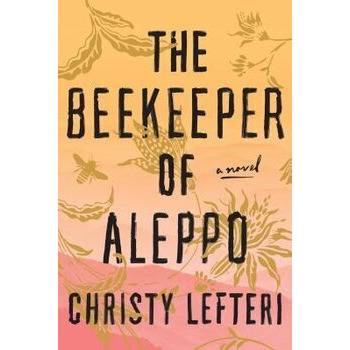
The Beekeeper of Aleppo
*The Beekeeper of Aleppo* by Christy Lefteri is a poignant and deeply emotional novel that follows the journey of a Syrian refugee couple fleeing the horrors of war. The story centers on Nuri, a beekeeper from Aleppo, and his wife, Afra, who are forced to leave their home after the devastating impact of the Syrian conflict. As they make their perilous journey to safety, they face unimaginable hardships, including the loss of loved ones, the trauma of war, and the struggle to rebuild their lives in an unfamiliar country. The novel explores themes of love, resilience, survival, and the profound psychological scars left by war. Nuri’s passion for beekeeping serves as a metaphor for hope and healing as he strives to hold onto his humanity amidst the chaos and despair. *The Beekeeper of Aleppo* is a deeply human story that sheds light on the refugee experience, offering an intimate look at the personal toll of displacement and the search for safety, belonging, and peace. It’s a heartfelt tribute to the strength of the human spirit in the face of tragedy.
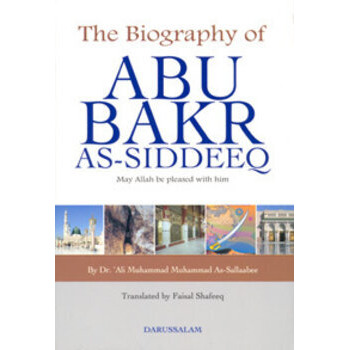
The Biography of Abu Bakr as-Siddeeq
*The Biography of Abu Bakr as-Siddeeq* by Ali Muhammad As-Sallabi is a detailed and respectful account of the life of Abu Bakr al-Siddeeq, the first caliph of Islam and one of the closest companions of the Prophet Muhammad (PBUH). As-Sallabi’s work provides an in-depth exploration of Abu Bakr’s early life, his conversion to Islam, his unwavering support for the Prophet, and his crucial role in the early years of the Islamic community. The biography highlights Abu Bakr’s personal virtues, including his humility, honesty, courage, and his deep faith in Allah. As-Sallabi also examines Abu Bakr’s leadership during his caliphate, where he faced significant challenges, including the Wars of Apostasy, and successfully united the Muslim community after the death of the Prophet. The book offers valuable insights into the qualities of leadership and righteousness, showcasing how Abu Bakr's character and decisions shaped the course of Islamic history. *The Biography of Abu Bakr as-Siddeeq* is both a historical and spiritual narrative, serving as an inspiring guide for Muslims and readers interested in the life of one of the most revered figures in Islamic tradition.
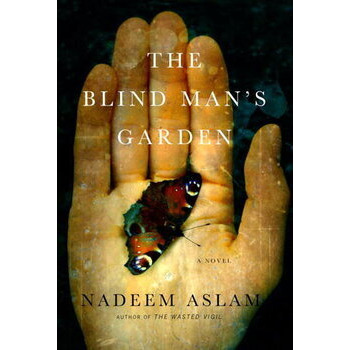
The Blind Man’s Garden
*The Blind Man's Garden* by Nadeem Aslam is a poignant and beautifully written novel that explores the devastating impact of war, loss, and the complexities of love and loyalty. Set in Pakistan and Afghanistan, the story follows the lives of two brothers, Jeo and Nur, who are deeply affected by the aftermath of the 9/11 attacks and the ensuing conflict in Afghanistan. Jeo, a doctor, and his wife, Miriam, navigate their own personal struggles as they witness the chaos and destruction caused by war. When Jeo's brother, Nur, leaves to join the fighting in Afghanistan, the family is torn apart, and the novel delves into the emotional and moral consequences of war on both a personal and societal level. Through vivid descriptions and sensitive storytelling, Aslam weaves themes of love, grief, identity, and the search for meaning in a world marked by violence and uncertainty. *The Blind Man's Garden* is a heartfelt exploration of the human spirit's resilience and the enduring bonds of family, even in the face of incomprehensible loss.