


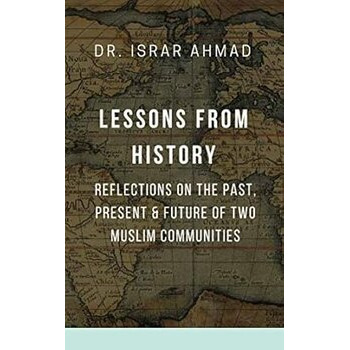
Lessons from History
Lessons from History by Dr. Israr Ahmad is a thought-provoking book that examines the historical events and patterns that have shaped human civilization, particularly from an Islamic perspective. The book delves into the rise and fall of great empires, the behavior of nations, and the moral and social lessons that can be learned from history. Dr. Israr Ahmad highlights how the principles of Islam offer guidance for understanding the cyclical nature of history and the importance of justice, ethics, and leadership. Through this analysis, he emphasizes the need for individuals and societies to reflect on past mistakes and successes to build a better future, with a particular focus on the role of Islam in addressing the challenges of modern times.
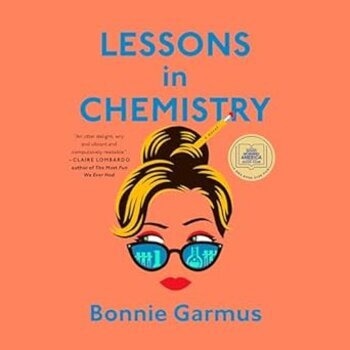
Lessons in Chemistry
Lessons in Chemistry by Bonnie Garmus is a charming and thought-provoking novel set in the 1960s, following the life of Elizabeth Zott, a brilliant chemist whose career and personal life are shaped by the societal expectations of women at the time. After being dismissed from a prestigious research position, Elizabeth finds herself hosting a cooking show on television, where she cleverly combines her scientific knowledge with cooking advice. Through wit and resilience, she challenges conventional gender roles while navigating love, motherhood, and professional setbacks. The book is a delightful mix of humor, feminism, and science, offering an inspiring story about defying expectations and embracing one's path.
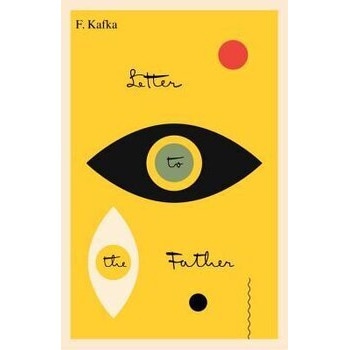
Letter To The Father
Letter to His Father by Franz Kafka is a poignant and introspective correspondence in which Kafka addresses his complex and often fraught relationship with his father, Hermann Kafka. Written in 1919 but never sent, the letter reveals Kafka's deep feelings of inadequacy, guilt, and longing for understanding. He articulates the emotional scars left by his father's authoritarian upbringing, exploring themes of alienation, identity, and the struggle for acceptance. Through this candid and vulnerable reflection, Kafka delves into the impact of parental expectations on his psyche and artistic development, making it a profound examination of familial bonds. The letter serves as both a personal confession and a universal exploration of the intricacies of father-son relationships, resonating with readers who grapple with similar feelings of conflict and reconciliation.
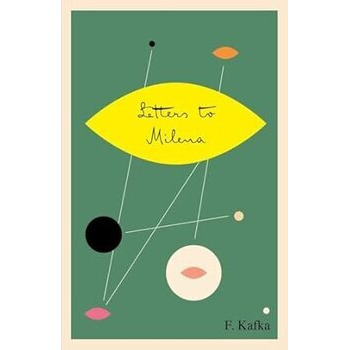
Letters to Milena
Letters to Milena is a collection of correspondence between Franz Kafka and Milena Jesenská, a Czech writer and translator who became a significant figure in his life. Through these letters, Kafka reveals his thoughts on love, literature, and his inner struggles, offering a deeply personal glimpse into his psyche. The letters reflect Kafka’s unique blend of vulnerability and intellectual insight, as he discusses his writing, existential concerns, and the complexities of his relationship with Milena. This collection not only highlights the profound connection between the two but also serves as an intimate exploration of Kafka’s life and creative process, making it a poignant read for fans of his work and those interested in literary history.
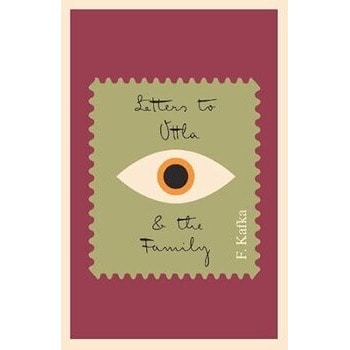
Letters to Ottla and the Family
Letters to Ottla and the Family by Franz Kafka is a collection of Kafka's letters, primarily addressed to his beloved younger sister, Ottla, and his family. These letters offer a deeply intimate look at Kafka’s thoughts, struggles, and relationships with his family members, revealing both his emotional turmoil and his complex sense of duty toward them. His correspondence with Ottla is particularly poignant, as it reflects the deep bond between the two siblings, with Kafka often sharing his philosophical musings, literary ambitions, and concerns about his health. The letters also provide insights into Kafka's often fraught relationship with his father and other family members, shedding light on his personal life, the conflicts he faced, and his anxieties. Letters to Ottla and the Family is an essential read for those interested in Kafka's life and works, offering a more personal and vulnerable side of the writer often seen in his fictional works.
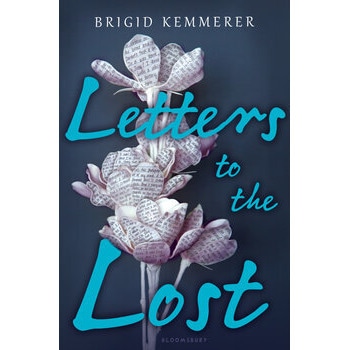
Letters to the Lost
Letters to the Lost by Brigid Kemmerer is a contemporary young adult novel that centers on two grieving teenagers, Juliet and Declan, whose lives intersect through a series of anonymous letters. Juliet, struggling with the recent death of her mother, writes letters to her late mother at her mother's grave. Declan, who is dealing with his troubled past, finds one of her letters and responds, though he doesn’t reveal his identity. As they exchange letters, they begin to open up about their pain and secrets, forming an unlikely and emotionally charged connection. The novel explores themes of loss, healing, forgiveness, and the power of words to bring people together.
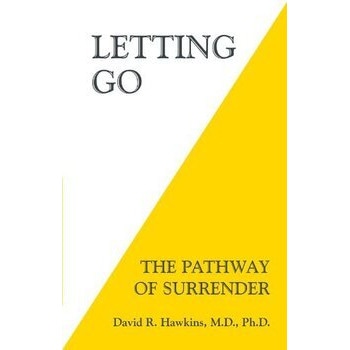
Letting Go
Letting Go: The Pathway of Surrender by David R. Hawkins is a transformative guide that explores the power of surrendering negative emotions and attachments to achieve personal freedom and inner peace. Hawkins presents a practical method for releasing feelings such as fear, guilt, and resentment, enabling readers to transcend their limitations. Through insights from psychology, spirituality, and his own experiences, he offers tools for navigating life's challenges and aligning with a higher state of consciousness. The book encourages a journey toward self-acceptance and emotional healing, ultimately leading to a more fulfilling and liberated life.
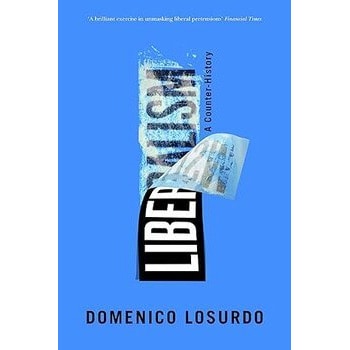
Liberalism
Liberalism by Domenico Losurdo is a critical examination of the concept of liberalism, exploring its historical development, philosophical foundations, and contradictions. Losurdo delves into the interplay between liberal ideals of freedom and equality and the realities of colonialism, imperialism, and social inequality. He argues that while liberalism advocates for individual rights, it often neglects the systemic injustices that underpin society. Through a thorough analysis of key thinkers and historical events, the book challenges readers to reconsider the legacy of liberalism and its implications for contemporary politics. Losurdo's work encourages a deeper understanding of the complexities and limitations of liberal thought, making it a significant contribution to political philosophy and critique.
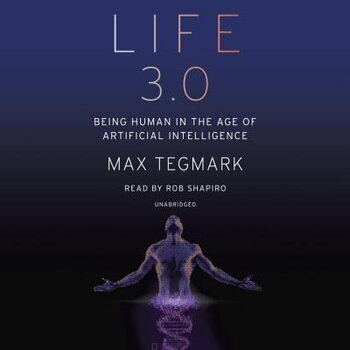
Life 3.0
Life 3.0: Being Human in the Age of Artificial Intelligence by Max Tegmark explores the future of artificial intelligence and its impact on humanity. Tegmark discusses the evolution of intelligence, from biological (Life 1.0) to cultural (Life 2.0) and ultimately to AI-driven (Life 3.0). The book examines potential scenarios for AI development, ethical dilemmas, and the risks and rewards of superintelligent systems. With thought-provoking insights, it challenges readers to consider how AI might reshape society, work, and even human identity in the coming decades.
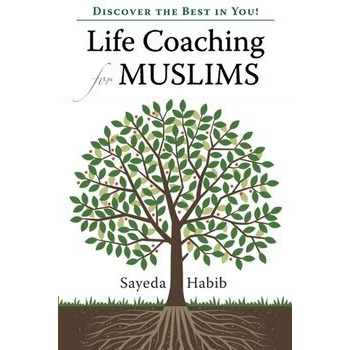
Life Coaching for Muslims
Life Coaching for Muslims by Sayeda Habib is a self-help book that combines traditional life coaching techniques with Islamic principles to help Muslims lead more balanced, purposeful lives. The book focuses on personal development, offering practical advice on goal-setting, overcoming challenges, and finding spiritual fulfillment. Sayeda Habib provides readers with tools to enhance their mental well-being, build self-confidence, and align their goals with Islamic values such as faith, patience, and gratitude. By integrating contemporary coaching strategies with Islamic teachings, the book aims to empower Muslims to live their best lives while maintaining a strong connection to their faith.
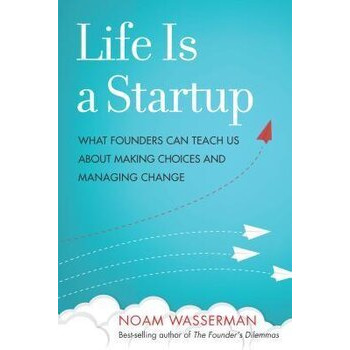
Life Is a Startup
Life Is a Startup by Noam Wasserman applies entrepreneurial principles to personal and professional decision-making. Drawing from his expertise in startup leadership and business strategy, Wasserman explores how the same skills that drive successful startups—such as risk-taking, adaptability, and learning from failure—can help individuals navigate life’s challenges. He uses real-life examples and research to illustrate how people can approach career choices, relationships, and major life decisions with an entrepreneurial mindset. The book offers practical insights on problem-solving, decision-making, and growth, making it valuable for anyone looking to take control of their future with a startup-like approach.
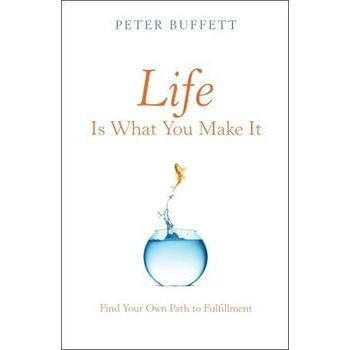
Life Is What You Make It
Life Is What You Make It by Peter Buffett is a memoir and inspirational book that reflects on the author’s life and the lessons he’s learned along the way. As the son of billionaire investor Warren Buffett, Peter explores the idea that true happiness and fulfillment don’t come from wealth or status, but from personal choices, relationships, and finding purpose. The book combines personal anecdotes, insights, and practical advice, encouraging readers to take control of their lives, pursue their passions, and define success on their terms. Life Is What You Make It is a heartfelt reminder that life is shaped by the decisions we make and that real wealth lies in meaningful experiences and self-discovery.